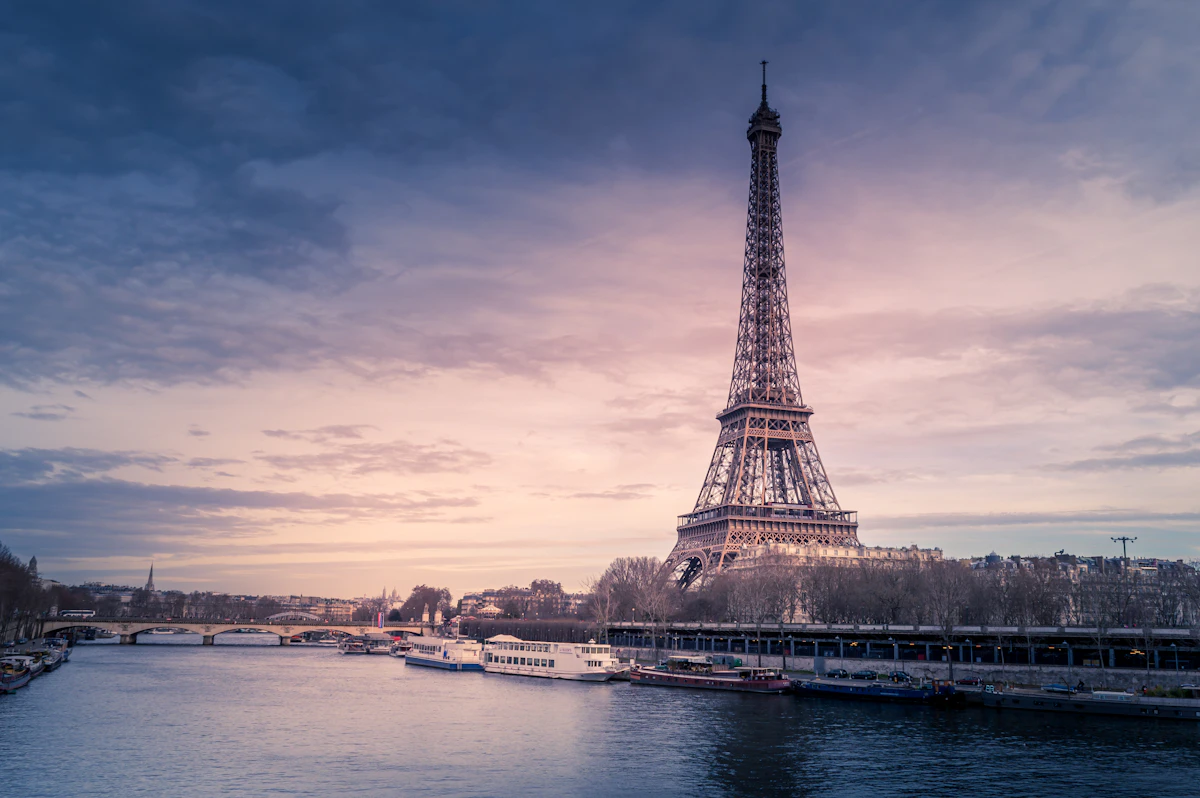
Paris Luxury Housing Market: A Prime Investment Guide
The allure of Paris remains unparalleled, drawing global investors who seek both cultural prestige and long-term asset security. As we analyze the Paris luxury housing market, it is clear that despite global economic shifts, the City of Light continues to command a premium that few other capitals can match. For the discerning high-net-worth individual, navigating this storied landscape requires both local insight and a strategic perspective on where value is currently held and where it is expected to grow. This comprehensive guide provides an in-depth analysis of the current state of luxury real estate in Paris, offering a detailed look at price trends, the most desirable arrondissements, and the essential considerations for those looking to secure a foothold in one of the world's most stable property markets. ## Current State of the Paris Luxury Housing Market The current state of the Paris luxury housing market is defined by resilience and selectivity. While the broader real estate market in France has faced headwinds due to fluctuating interest rates and macroeconomic uncertainty, the ultra-prime segment in Paris has largely decoupled from these external pressures. High-net-worth individuals are prioritizing tangible assets in historical, high-density urban environments, and Paris stands as the ultimate "safe haven" asset. Supply in the luxury sector remains constrained by the architectural heritage of the city. Haussmann-style apartments, with their grand proportions, ornate moldings, and historical significance, simply cannot be replicated. This scarcity drives consistent demand, ensuring that properties in the most coveted neighborhoods maintain their value even during volatile economic cycles. Currently, we are seeing a shift where investors are looking for "turn-key" properties—meticulously renovated apartments that combine modern smart-home technology with preserved period details. ## Price Trends and Analysis in the Paris Luxury Housing Market Understanding the financial landscape is critical for any serious buyer. Prices in the Paris luxury housing market generally range from 18,000 to 30,000 euros per square meter for prime properties, though exceptional assets with unique features—such as private gardens, Eiffel Tower views, or rooftop terraces—can command prices well above 40,000 euros per square meter. Over the past 12 months, the market has seen a stabilization period. After years of aggressive appreciation, we are now experiencing a more balanced phase. While the average price per square meter has hovered around the 22,000-euro mark for super-prime properties, the year-over-year growth has transitioned from double-digit spikes to a more sustainable 2-3% increase. This stability is highly attractive to long-term investors. ### Understanding Price Tiers In the luxury segment, price is dictated heavily by the floor level and the presence of an elevator—a luxury in older Parisian buildings. A top-floor apartment with a lift will consistently command a 15-20% premium over similar units on lower levels. Similarly, the historical provenance of a building and the quality of its common areas are major determinants of price, as they represent the social capital of the property. ## Prime Neighborhoods and Areas In Paris, the address is everything. The 6th, 7th, 8th, and 16th arrondissements continue to dominate the luxury housing market. The 6th Arrondissement (Saint-Germain-des-Prés) remains the intellectual and artistic heart of the city, favored by families and international buyers for its village-like atmosphere. Prices here regularly hit 22,000 to 28,000 euros per square meter. The 7th Arrondissement, home to the Eiffel Tower and the Champs-de-Mars, is the epicenter of prestige. This area appeals to those seeking grandeur and proximity to international institutions. Expect to pay between 25,000 and 35,000 euros per square meter for properties with direct views of the monuments. The 8th Arrondissement (Triangle d’Or) is the commercial hub, offering proximity to luxury boutiques, high-end hotels, and fine dining. It is the preferred location for transient HNWIs who desire the absolute height of Parisian glamour. Finally, the 16th Arrondissement (Passy and Muette) offers sprawling, large-scale apartments and private mansions (hôtels particuliers), providing a sense of privacy and space that is rare in the center of the city. ### Emerging Areas for Discerning Investors Beyond the core, neighborhoods like the 1st, 3rd, and 4th arrondissements (Le Marais) are attracting significant interest. While the housing stock is older and often requires extensive renovation, the cultural cachet of these districts ensures strong rental yields and significant capital appreciation potential for those willing to undertake the development. ## Property Types and Investment Opportunities While apartments are the most common asset class, the true gems of the Paris luxury housing market are the private mansions or 'hôtels particuliers'. These stand-alone properties offer the ultimate luxury: complete independence in the heart of the city. Rental yields for high-end properties in Paris typically range from 2.5% to 4.5%. While these figures might seem modest compared to emerging markets, they must be viewed through the lens of capital appreciation and asset security. A well-managed luxury apartment in a prime location in Paris is a generational asset that protects against inflation and currency devaluation. We are also seeing an uptick in demand for serviced luxury apartments, where investors benefit from management companies that handle short-term or corporate rentals, further streamlining the investment process for international owners. ## Market Drivers and Future Outlook What drives the ongoing demand in the Paris luxury housing market? Primarily, it is the city's status as a global hub for business, fashion, education, and culture. The post-Brexit shift of financial services to Paris has also bolstered the market, as expatriate executives look for premium housing. Looking ahead, the Paris 2024 Olympic legacy projects—including major infrastructure improvements and the revitalization of key urban districts—are expected to further enhance property values. We predict a continued tightening of supply in the prime sectors, which will likely keep prices on an upward trajectory despite wider economic fluctuations. Sustainability is also becoming a key driver; there is a growing demand for eco-friendly renovations of historical buildings, which will dictate future price growth. ## Buying Guide for Foreign Investors For international buyers, the process of entering the Paris luxury housing market is straightforward but requires professional guidance. Non-residents can purchase property in France without restrictions. However, the legal and fiscal framework is nuanced. It is common for investors to use an SCI (Société Civile Immobilière), a real estate holding company, to structure the purchase, which can offer advantages in terms of estate planning and wealth tax management. Essential costs include notary fees (typically 7-8%), which cover taxes and registration. It is vital to work with an international-facing notary who understands the specific needs of non-resident buyers. Furthermore, French mortgage rates for non-residents remain competitive, and leveraging local debt can be a tax-efficient strategy for those maintaining high liquidity. ## Why Choose The Address At The Address, we do not merely facilitate transactions; we curate lifestyles. We understand that investing in the Paris luxury housing market is a personal journey as much as a financial one. Our team of global experts provides bespoke advisory services, ensuring that every acquisition aligns with your portfolio goals and personal preferences. From off-market listings to comprehensive property management, we are your eyes and ears on the ground in Paris. ## Frequently Asked Questions ### What is the current outlook for the Paris luxury housing market? The outlook is positive, with sustained demand for prime assets driven by scarcity and the city's global appeal as a safe-haven for capital. ### Where are the best neighborhoods in the Paris luxury housing market? The most prestigious areas remain the 6th, 7th, 8th, and 16th arrondissements, each offering distinct architectural styles and proximity to elite amenities. ### How does the Paris luxury housing market compare to other global cities? Paris offers a unique blend of historical value and stable growth, often proving less volatile than London or New York while maintaining similar levels of prestige. ### Are there risks for foreign buyers in the Paris luxury housing market? As with any market, there are regulatory and fiscal complexities, but with proper legal structuring, such as using an SCI, these risks are easily managed. ## Conclusion Investing in the Paris luxury housing market is an invitation to own a piece of history. Whether you are seeking a grand Haussmann apartment in the 7th or a hidden hôtel particulier in the Marais, the opportunities are as varied as they are exceptional. As we look toward the future, the resilience of the Paris property market stands as a testament to the enduring value of the city. We invite you to contact The Address to begin your search for the perfect Parisian residence. Let us guide you through the complexities of this exquisite market with precision and discretion.